Specialities
 Services
 Resource Center
 Pricing
 About
About
 Contact

Billing errors in wound care aren’t just a clerical inconvenience—they represent thousands of dollars lost in revenue each month, rising compliance risks, and an increasing burden of administrative stress on practices. As payer audits tighten and wound care procedures become more complex, providers across the country are turning to a new resource: The Complete Guide to Wound Care Billing.
Launched earlier this year, the ebook has quickly become a reference point for specialists, practice managers, and billing professionals. But what makes it so transformative? To understand its impact, we turn to the experiences and remarks shared by wound care leaders and associations.
Why Wound Care Needed Its Own Billing Blueprint?
Wound care is one of the fastest-growing specialties in outpatient services, yet it consistently struggles with:
- Denial rates of 18–22% (nearly double the national average).
- Documentation-driven rejections, which account for over 40% of claim errors.
- Increasing payer scrutiny on high-frequency procedures such as debridement and skin substitute applications.
Until now, resources were either too generic to be useful or too fragmented to be applied consistently.
“For years, wound care providers have relied on piecemeal billing references—bits of coding guidance here, payer rules there. This ebook is the first time everything has been brought together in one comprehensive, compliance-first guide.” — Wound Care Practice Association Spokesperson
What Authorities Are Saying About the Ebook?
A Game-Changer for Specialists
Specialists note that the book does more than explain codes—it connects clinical documentation to financial workflows, ensuring that claims are not just submitted but paid.
“This is not a coding manual—it’s a strategy guide for sustainable revenue. Every wound care specialist will benefit from its practical workflows and payer-specific checklists.” — Director, National Wound Care Billing Review Board
A Tool for General Billing Teams
Although built around wound care, the ebook is being praised by billing experts across other specialties too.
“Whether you work in podiatry, dermatology, vascular care, or primary practice, the denial-prevention strategies in this book are universal. It sets a new bar for general billing guidelines.” — Healthcare Revenue Cycle Forum, 2025
Backed by Data
Associations reviewing the content have highlighted the fact that practices applying the book’s frameworks reported measurable results:
- 47% reduction in denials within 90 days.
- 32% increase in monthly collections.
- AR days cut to under 30.
“These are the numbers practices have been chasing for years. This book provides the roadmap to get there.” — Wound Care Industry Survey Panel, 2025
Beyond Wound Care: A Glimpse Into the Future of RCM
The ebook is also seen as part of a broader shift in the way RCM knowledge is shared. Traditional billing handbooks are reactive; this ebook is proactive, merging payer compliance, specialty-level insights, and practical, ready-to-implement tools.
“The wound care community has long asked for a resource like this. For once, we can say: the perfect billing reference has arrived.” — Association of Wound Care Specialists
The Experience for Billing Professionals
For those who’ve used it, the ebook isn’t just informative—it’s empowering. It delivers confidence in compliance, clarity in documentation, and certainty in collections. That’s why it’s being recognized not just as a book, but as a billing experience.
Final Word
Wound care billing is one of the most complex areas of healthcare finance, but it doesn’t have to remain one of the most error-prone. With resources like The Complete Guide to Wound Care Billing, the specialty is finally equipped with a structured, community-endorsed roadmap.
And as authorities across the wound care community have agreed, it is more than just a manual—it’s the benchmark for the future of billing.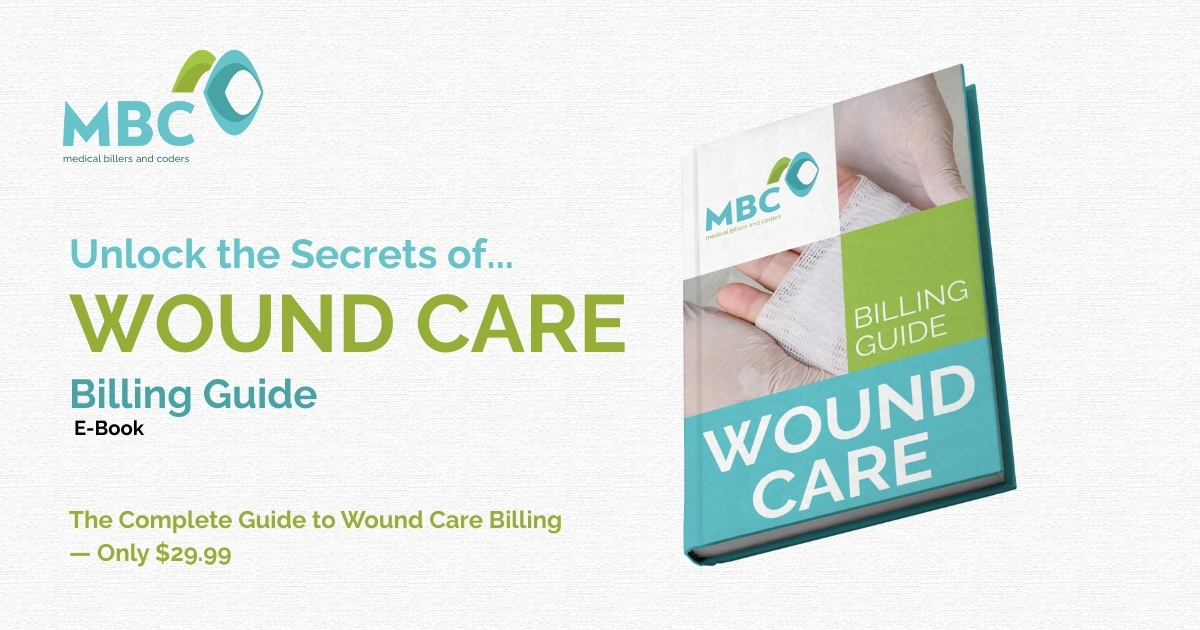
FAQs
It’s a comprehensive guide that simplifies wound care billing, linking clinical documentation with financial workflows for better collections.
Wound care specialists, billing teams, and practice managers will all find its strategies practical and compliance-focused.
It provides payer-specific checklists and documentation strategies that cut denial rates by addressing the most common errors.
Yes—its denial-prevention and revenue strategies apply to podiatry, dermatology, vascular, and primary care billing as well.
Practices report fewer denials, faster reimbursements, and stronger cash flow after applying its workflows.

A Senior Sales Manager with 18 years of experience in wound care billing services, healthcare sales, and provider relationship management. Passionate about increasing awareness of effective wound care solutions while helping healthcare organizations improve revenue performance, operational efficiency, and patient outcomes.